



News
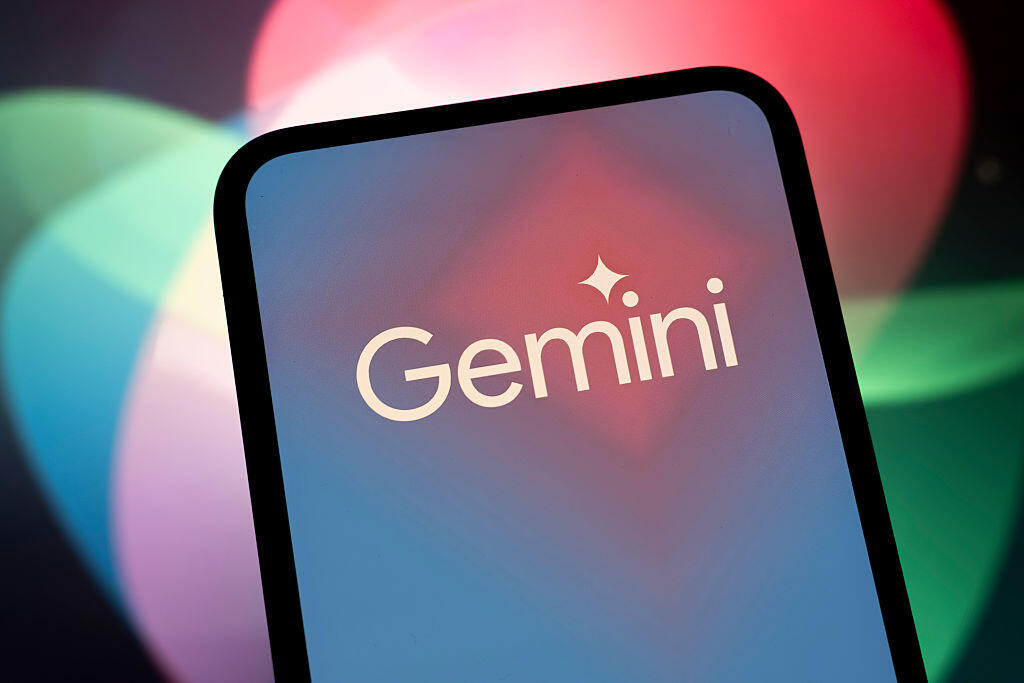
The development within artificial intelligence has taken yet another significant step. According to new research reported by Wired, advanced AI models can now analyze human language at a level comparable to professionally trained language experts. This is the first time such a performance has been so clearly documented, underscoring how rapidly AI is shifting from an experimental technology to a fundamental societal and business phenomenon.
The core message is not that companies should immediately adopt new AI models. Rather, it’s that AI’s capabilities are evolving faster and deeper than many organizations are prepared to understand, and that in itself demands attention at the leadership and board level.
Traditionally, AI language models have been known for generating fluent text by predicting likely words based on massive amounts of training data. The common criticism has been that the models “sound smart” but don’t actually understand language.
The new research indicates a shift. In controlled tests, researchers have demonstrated that certain models can now perform what is known as metalinguistic analysis: they can identify and explain complex linguistic structures, ambiguities, and rules, on par with trained linguists. This isn’t about creative writing, but about analytical understanding of how language is constructed and functions.
Technically, the breakthrough stems from a combination of larger models, more sophisticated training methods, and improved evaluation. The result is systems that not only reproduce linguistic patterns but increasingly work analytically with text as a data source.
For many businesses, this kind of research may seem abstract or far removed from day-to-day operations. But the results speak to something more fundamental about the maturity of the technology. When AI can analyze language at the level of trained experts within a specialized cognitive domain, it reshapes the expectations for what machines can realistically support in knowledge work.
It marks a shift from AI as a tool that primarily solves well-defined and repeatable tasks, to systems capable of interpretation, structuring, and analysis of complex information. These capabilities have traditionally been reserved for specialists and consultants, but are increasingly within reach of technology as a support, not a replacement.
The consequence is that AI no longer just impacts individual functions or projects but potentially the entire way organizations produce knowledge, make decisions, and organize their work. This makes AI a strategic issue across business, leadership, and IT, even in companies that do not yet have specific AI initiatives underway.
At ZRM, we see this kind of breakthrough as yet another sign that AI can no longer be treated as an isolated innovation project. When the technology reaches a level where it can analyze, interpret, and structure complex information, the implications become organizational and structural.
Our experience is that many organizations underestimate how fast AI is evolving, and overestimate how ready their data and system architecture is to keep up. The question is therefore not which models to choose, but whether the foundation is in place: data quality, integration between systems, governance, and a realistic understanding of what the technology can and cannot do.
The research doesn’t suggest that AI is “fully developed.” On the contrary, it shows that the boundary of what machines can analyze is shifting rapidly, even in areas previously seen as uniquely human.
For companies, this means AI should be a permanent part of the strategic conversation. Not as hype, but as a reality already shaping the workflows, decision-making processes, and digital infrastructure of the future.
At ZRM, we closely monitor these developments, because they set new demands for how companies build systems, work with data, and think about long-term digital resilience. AI is no longer a question of if, but of how prepared you are for what comes next.

We closely follow developments in technology and share selected news that may impact how companies work with CRM, AI, and digitalization.










We’ve Been There Ourselves: Scaling businesses from idea to exit – and witnessing how the right IT systems can make the difference between chaos and control, stagnation and growth. With backgrounds in venture capital, entrepreneurship, and IT, we’ve seen firsthand what works in practice – and what gets in the way. That’s why we build solutions that not only organize data but drive real progress.
Stay updated with the latest news and valuable insights from ZRM. Our newsletter includes:
Here, Magnus – one of our leading specialists in CRM systems and digital strategy – shares expert knowledge through news updates, newsletters, industry insights, and practical guides on how businesses can optimize workflows and drive growth with innovative software solutions.
Et CRM-system (Customer Relationship Management) er en softwareløsning, der hjælper virksomheder med at organisere, spore og optimere deres interaktioner med kunder og leads. Det centraliserer kundedata og muliggør en mere personlig og struktureret tilgang til kundehåndtering, hvilket kan forbedre både salgsresultater og kundetilfredshed.
CRM-systemer reducerer behovet for manuelle opgaver ved at automatisere processer som opfølgninger, datarapportering og kundekommunikation. Det giver alle afdelinger adgang til opdaterede data, så de arbejder ud fra samme grundlag, hvilket forbedrer intern kommunikation og beslutningsdygtighed.
CRM-data giver indsigt i kundeadfærd, salgsmønstre og markedsudvikling. Ved at analysere disse data kan du:
• Forudsige salgstendenser
• Tilpasse din salgsstrategi
• Forbedre kundeoplevelsen
ZRM’s CRM-platform hjælper dig med at udnytte CRM-data optimalt, så du kan træffe bedre forretningsbeslutninger.
En CRM-specialist kan:
• Vejlede dig i valg og opsætning af din CRM-løsning
• Optimere dine CRM-tools for maksimal effektivitet
• Udvikle en skræddersyet CRM-strategi til din virksomhed
ZRM’s CRM-specialister hjælper dig med at sikre, at dit CRM-system arbejder optimalt fra dag ét.
Ja, CRM-systemer som Zoho CRM er ideelle til både små og store virksomheder. De tilbyder fleksible løsninger, så mindre virksomheder kan starte med et grundlæggende setup og udvide funktionaliteten, i takt med at behovene vokser.
De vigtigste funktioner afhænger af din virksomheds behov, men typiske CRM-funktioner inkluderer kontaktstyring, automatisering af arbejdsopgaver, pipeline-administration, datavisualiseringer, realtidsrapportering og integrationer med andre systemer.
Med et CRM kan kundeserviceteamet tilgå komplet kundehistorik, hvilket muliggør en hurtig og personlig håndtering af forespørgsler. Det kan også automatisere opfølgning og sende påmindelser, hvilket forbedrer responsen og styrker kundetilfredsheden.
Ja, de fleste moderne CRM-systemer, inklusiv Zoho CRM, har åbne API’er og integrationsevner, der gør det muligt at forbinde dem med økonomisystemer, e-mail-marketingværktøjer, kalendere og mange andre platforme. Dette skaber en mere effektiv informationsstrøm og fjerner siloer mellem afdelinger.
CRM-systemer kan analysere historiske data og identificere tendenser, som hjælper med at forudsige fremtidig efterspørgsel og salgsudvikling. Med denne indsigt kan virksomheder planlægge deres ressourcer og tilpasse marketingindsatserne proaktivt.
Prisen på et CRM-system kan variere afhængigt af kompleksitet, antal brugere og tilvalgte funktioner. Nogle CRM-systemer tilbyder gratis versioner med basale funktioner, mens andre har abonnementsplaner med priser baseret på funktionalitet og antal brugere. Det er værd at overveje både omkostninger til licenser og potentielle integrations- og supportomkostninger.
Stay updated with the latest news and valuable insights from ZRM. Our newsletter includes: