



News
Generative AI is evolving at a pace where technology, use cases, and expectations change from month to month.
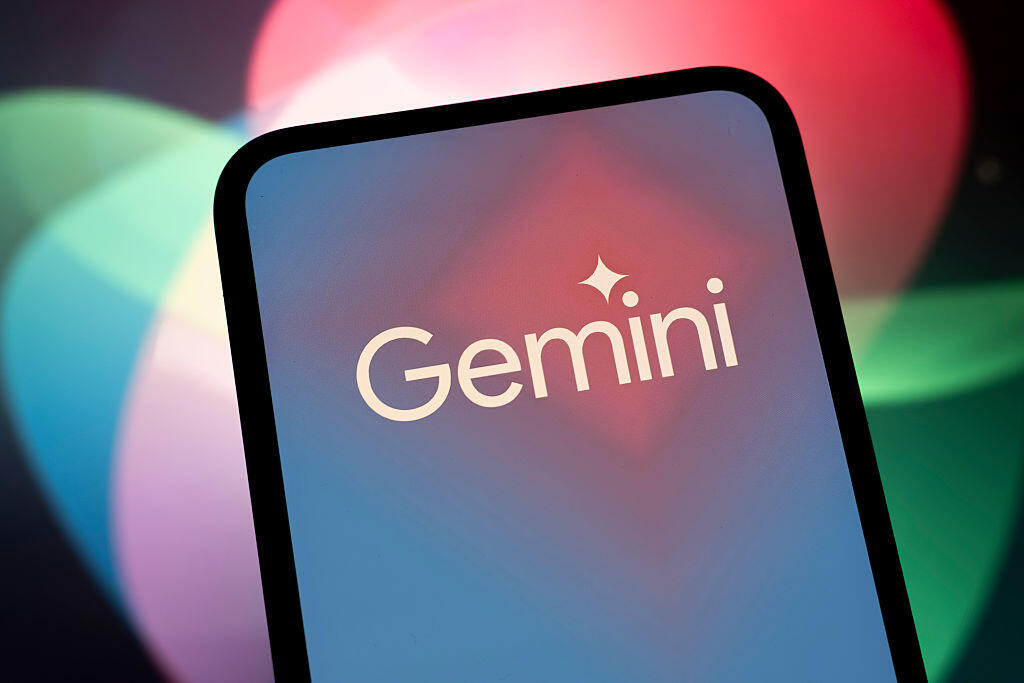
In the latest wave of updates, both OpenAI and Google have launched significant improvements to their AI platforms, ChatGPT and Google Gemini. Two solutions that are increasingly competing to become the preferred AI assistant in professional and organizational contexts.
At ZRM, we follow this development closely, as generative AI already plays a role in everything from internal workflows to customer experiences, automation, and decision support.
While ChatGPT and Google Gemini share the ambition of becoming intelligent, context-aware assistants, their practical capabilities differ markedly in how they support day-to-day work.
Google Gemini’s core strength lies in its deep integration with Google Workspace. In practice, this enables low-friction productivity gains: Gemini can summarize and prioritize emails, surface tasks or follow-ups, suggest or create calendar events directly from mail threads, and assist with drafting or revising documents in Docs. It can also work directly with spreadsheets, explaining formulas, summarizing data, or proposing simple analyses. These capabilities make Gemini particularly effective as an operational assistant for organizations already standardized on Google’s ecosystem, where value can be realized quickly with minimal setup.
However, this tight coupling is also a limitation. Gemini’s ability to act outside Google’s environment is constrained, and more advanced or cross-system automations typically require additional development on Google Cloud. For organizations with heterogeneous IT landscapes or strict requirements around vendor neutrality, this can reduce long-term flexibility.
ChatGPT, by contrast, is less embedded in a single productivity suite but more adaptable across systems and domains. Its strengths are most evident in complex reasoning, structured analysis, coding, documentation, and multi-step problem-solving. Rather than operating primarily as an inbox or calendar assistant, ChatGPT is often used as a cognitive layer within workflows: reviewing code, drafting technical specifications, supporting decision-making, or powering custom chatbots and internal tools through APIs.
This flexibility comes with a trade-off. ChatGPT rarely delivers full value “out of the box” in organizational settings. Meaningful impact typically requires deliberate architectural choices around integration, data access, governance, and security. When designed correctly, however, it offers significantly greater control over behavior, data flows, and compliance.
The distinction, therefore, is not about which platform is more capable in absolute terms, but about where value is created: Gemini excels at reducing friction within Google-centric workflows, while ChatGPT is better suited for deeper, cross-domain reasoning and tailored enterprise use cases where adaptability and control are critical.
For most organizations, the relevant question is no longer which AI model scores highest on benchmarks, but how generative AI fits into real operational contexts.
Both ChatGPT and Gemini can:
The decisive factor lies in alignment: with existing systems, data governance requirements, security models, and long-term architectural strategy.
At ZRM, we approach generative AI as a strategic capability rather than a one-size-fits-all solution. Our focus is on how these tools are integrated, governed, and scaled responsibly over time.
ChatGPT and Google Gemini should be viewed as complementary options within the same toolbox. The right choice, or combination, depends on organizational context, compliance requirements, technical landscape, and strategic priorities.
The competition between OpenAI and Google is accelerating innovation, but it is also increasing complexity for decision-makers. Generative AI is no longer experimental; it is becoming a core component of the digital toolbox.
The critical question for organizations is no longer if they should adopt generative AI, but how they do so in a way that is sustainable, secure, and aligned with long-term business goals.
At ZRM, we help organisations turn generative AI from potential into tangible value. Whether you are considering ChatGPT, Google Gemini, or a combination of multiple AI models, we provide guidance on architecture, integration, governance, and secure use within your existing workflows.
You are very welcome to reach out if you would like advice on how generative AI can best support your business, both strategically and operationally.

We closely follow developments in technology and share selected news that may impact how companies work with CRM, AI, and digitalization.










We’ve Been There Ourselves: Scaling businesses from idea to exit – and witnessing how the right IT systems can make the difference between chaos and control, stagnation and growth. With backgrounds in venture capital, entrepreneurship, and IT, we’ve seen firsthand what works in practice – and what gets in the way. That’s why we build solutions that not only organize data but drive real progress.
Stay updated with the latest news and valuable insights from ZRM. Our newsletter includes:
Here, Magnus – one of our leading specialists in CRM systems and digital strategy – shares expert knowledge through news updates, newsletters, industry insights, and practical guides on how businesses can optimize workflows and drive growth with innovative software solutions.
Et CRM-system (Customer Relationship Management) er en softwareløsning, der hjælper virksomheder med at organisere, spore og optimere deres interaktioner med kunder og leads. Det centraliserer kundedata og muliggør en mere personlig og struktureret tilgang til kundehåndtering, hvilket kan forbedre både salgsresultater og kundetilfredshed.
CRM-systemer reducerer behovet for manuelle opgaver ved at automatisere processer som opfølgninger, datarapportering og kundekommunikation. Det giver alle afdelinger adgang til opdaterede data, så de arbejder ud fra samme grundlag, hvilket forbedrer intern kommunikation og beslutningsdygtighed.
CRM-data giver indsigt i kundeadfærd, salgsmønstre og markedsudvikling. Ved at analysere disse data kan du:
• Forudsige salgstendenser
• Tilpasse din salgsstrategi
• Forbedre kundeoplevelsen
ZRM’s CRM-platform hjælper dig med at udnytte CRM-data optimalt, så du kan træffe bedre forretningsbeslutninger.
En CRM-specialist kan:
• Vejlede dig i valg og opsætning af din CRM-løsning
• Optimere dine CRM-tools for maksimal effektivitet
• Udvikle en skræddersyet CRM-strategi til din virksomhed
ZRM’s CRM-specialister hjælper dig med at sikre, at dit CRM-system arbejder optimalt fra dag ét.
Ja, CRM-systemer som Zoho CRM er ideelle til både små og store virksomheder. De tilbyder fleksible løsninger, så mindre virksomheder kan starte med et grundlæggende setup og udvide funktionaliteten, i takt med at behovene vokser.
De vigtigste funktioner afhænger af din virksomheds behov, men typiske CRM-funktioner inkluderer kontaktstyring, automatisering af arbejdsopgaver, pipeline-administration, datavisualiseringer, realtidsrapportering og integrationer med andre systemer.
Med et CRM kan kundeserviceteamet tilgå komplet kundehistorik, hvilket muliggør en hurtig og personlig håndtering af forespørgsler. Det kan også automatisere opfølgning og sende påmindelser, hvilket forbedrer responsen og styrker kundetilfredsheden.
Ja, de fleste moderne CRM-systemer, inklusiv Zoho CRM, har åbne API’er og integrationsevner, der gør det muligt at forbinde dem med økonomisystemer, e-mail-marketingværktøjer, kalendere og mange andre platforme. Dette skaber en mere effektiv informationsstrøm og fjerner siloer mellem afdelinger.
CRM-systemer kan analysere historiske data og identificere tendenser, som hjælper med at forudsige fremtidig efterspørgsel og salgsudvikling. Med denne indsigt kan virksomheder planlægge deres ressourcer og tilpasse marketingindsatserne proaktivt.
Prisen på et CRM-system kan variere afhængigt af kompleksitet, antal brugere og tilvalgte funktioner. Nogle CRM-systemer tilbyder gratis versioner med basale funktioner, mens andre har abonnementsplaner med priser baseret på funktionalitet og antal brugere. Det er værd at overveje både omkostninger til licenser og potentielle integrations- og supportomkostninger.
Stay updated with the latest news and valuable insights from ZRM. Our newsletter includes: